
Together for a #PeriodFriendlyWorld
Menstrual Hygiene Day, initiated in 2013, transformed menstrual health into a rallying point for advocates, policymakers and communities to engage in a meaningful conversation about gender equality. It placed women's rights at the centre of human rights, reshaping the narrative surrounding menstruation. Instead of being a source of shame, it became a symbol of strength and resilience.
In 2004, Kenya became the first country to scrap VAT on sanitary pads and tampons. This success shows the benefits of intervention at all levels for effective change, from policy makers to fellow classmates. It takes a village to raise a girl; it takes the participation of both men and women, girls and boys. The red stain, once hidden, became a proud badge of womanhood, a testament to the indomitable spirit of women around the world. This is not entirely true, not yet. There is still much for the village to do.
The iconic declaration from the United Nations Fourth World Conference on Women, held in Beijing in 1995, is: "Women's rights are human rights, and human rights are women's rights." A "right" typically refers to a legally or morally recognized entitlement or freedom that an individual possesses. A right ensures one's dignity, autonomy and well-being. A human right is the fundamental entitlement or freedom that is inherent to all individuals by virtue of their humanity. Essentially, because you and I both have toes, fingernails, lungs and a beating heart, we are entitled to the same rights. When these rights of dignity and respect regardless of gender are violated, it must be emphasised that there is an inseparable connection between the well-being of girls and the collective efforts of the entire community.
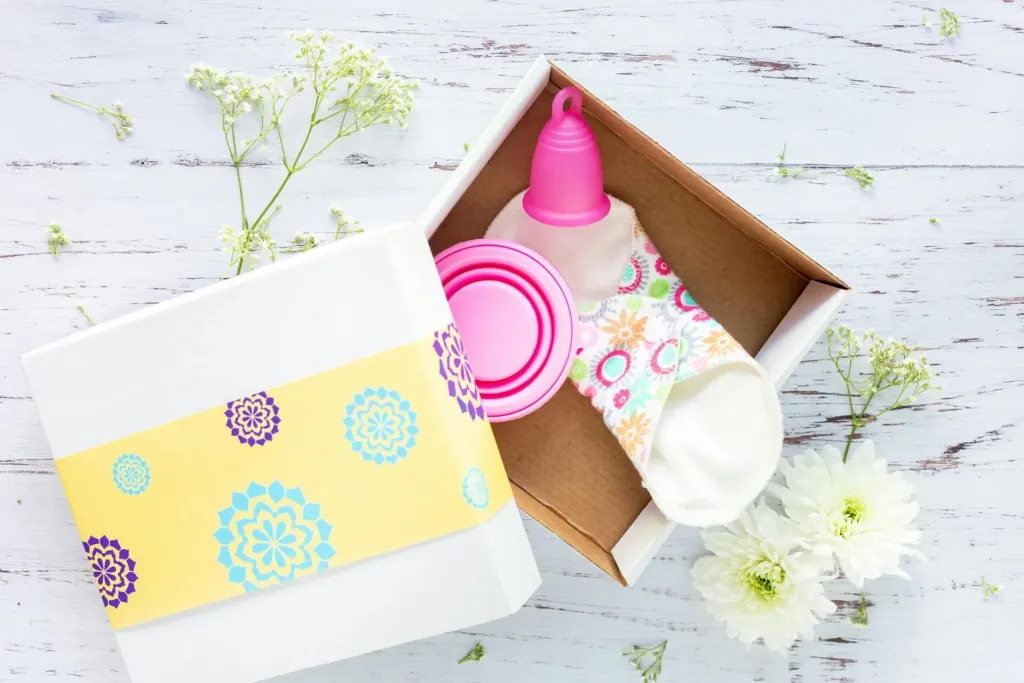
This has prompted and energised Resilient Woman to support teens at a Manyatta in Nairobi for the last three years. We provide dignity kits and education on menstrual health and issues impacting the sexual and reproductive health of teenagers. We have seen positive outcomes in better academic performance, fewer dropouts and more confident and resilient girls. When Grace was in grade 3 her mum left for prison and became a member of the RW mentorship program that supports formerly imprisoned women and girls. Right now she is in form 2 (grade 10). Grace has remained in school uninterrupted. Menstrual hygiene education has made her a more confident girl. She openly talks to her mom about her menstrual health. This testimony is a result of the work of a village.
This year, as we rally around Together for a #PeriodFriendlyWorld, our target is to reach 100 teens (60 girls and 40 boys) from two informal settlements in Nairobi. These are teens who have not had any training on how natural menstruation is, and typically there is a lot of shame and stigma attached to it. The girls are also likely to miss school on menstruation days or use unhealthy towels. We will provide dignity kits for 60 girls and personal hygiene items for 40 boys. We will also create allies of the boys by hosting inclusive conversations with boys and girls to demystify the taboo around menstrual health. It will cost KES 650 (USD 5) to support one girl or boy. To be part of the village that creates a period-friendly world, buy a dignity kit or personal hygiene items through Paybill 247247, Account Number 681691, or through our donate page. How many will you support?